How to Reduce Your Business’s Tax Burden: A Comprehensive Guide to Expense Optimization and Tax Relief
In a competitive economic landscape like Greece, managing your business’s tax burden is crucial for survival and growth. From proper documentation of expenses to adopting specialized tax relief strategies, this guide is designed to help you reduce your tax load through legal and proven methods. In this article, we’ll break down, step by step, the measures and practices you can implement—featuring real-world examples, modern tech solutions, and advanced financial strategies.
1. Introduction
Taxation is one of the biggest challenges businesses face, directly affecting liquidity and financial sustainability. By implementing tax relief strategies and optimizing expenses, you can reduce your total tax liability and free up resources for investment, growth, and innovation.
This guide aims to:
-
Give you a clear understanding of core tax concepts and procedures.
-
Walk you through legal strategies for reducing your tax burden.
-
Provide practical examples and case studies you can apply across your business.
-
Promote the adoption of modern tools and technologies to enhance financial tracking and control.
2. Key Tax Concepts and the Tax Filing Process
2.1 What is a Tax Return?
A tax return is the process through which every taxpayer (individual or business) submits their income details to the Ministry of Finance via TAXISnet or other electronic platforms. This process calculates either the tax due or the refund owed, taking into account legal deductions and exemptions.
2.2 Key Terms and Definitions
-
Taxpayer: Any individual or legal entity subject to taxation.
-
Income: All revenue earned by the business, categorized under the relevant tax codes.
-
Deductions and Exemptions: Business expenses or investments recognized by law that reduce taxable income.
-
Electronic Filing: Filing tax returns online to speed up processing and ensure data accuracy.
3. Legal Tax Reduction Strategies
A successful tax reduction strategy relies on applying legal methods that aim to optimize costs and leverage available tax benefits. Here are the most common ones:
3.1 Investments in Tax-Advantaged Areas
-
Research and Development (R&D):
Expenses in R&D often qualify for significant tax deductions, as they promote innovation and product/service improvement. -
Green Technologies:
Investments in energy efficiency and sustainable technologies can trigger immediate tax deductions and subsidies, lowering taxable income. -
Training and Education:
Expenses for professional training of staff are often treated as business investments and can be deducted.
Example 1:
A tech company that heavily invested in R&D reduced its taxable income by 18%, as those expenses qualified for deductions under current legislation.
3.2 Special Tax Regimes
-
SMEs and Startups:
Some tax regimes offer reduced rates for small and medium-sized enterprises or startups to promote growth and innovation. -
Targeted Deductions:
Businesses active in digital transformation, green energy, or exports may qualify for additional tax relief, cutting down their overall burden.
Example 2:
A digital startup benefited from a special tax regime and cut its tax burden by 20% in its first three years.
3.3 Accurate Expense Recording and Documentation
Proper documentation is essential to access tax deductions. This includes:
-
Bookkeeping:
Maintain detailed, up-to-date accounting records to ensure tax reporting accuracy. -
Invoice and Receipt Collection:
Keep all receipts and invoices, as they are the primary evidence for deductible expenses.
4. Expense Optimization and Management
Managing your expenses properly is key to reducing your tax burden. When documented correctly, many costs can be deducted from taxable income.
4.1 Daily Tracking and Monitoring
-
Use of Modern Software:
Implement ERP and CRM systems to automate daily expense tracking and ensure data accuracy. -
Regular Internal Audits:
Weekly or monthly reviews help identify unnecessary expenses and improve budgeting.
Example 3:
A retail business introduced ERP software for real-time expense tracking and reduced unnecessary costs by 8% annually.
4.2 Cost-Benefit Analysis
-
Analytical Methods:
Analyze the return on each investment or expense to evaluate effectiveness and ROI. -
Predictive Analytics:
Forecast future financial trends to support better decision-making.
Example 4:
An R&D firm used data models to predict that a €120,000 tech investment would pay off in 5 years and qualify for tax deductions reducing taxable income by 15%.
4.3 Contract Renegotiation and Cost Reduction
-
Supplier Negotiations:
Group negotiations can lead to better terms for raw materials, services, and software. -
Outsourced Services:
Reassessing external services (e.g., accounting) can cut costs and taxable income.
Example 5:
A manufacturing firm reduced raw material costs by 12% through renegotiated supplier contracts, lowering its tax liability accordingly.
5. Business Restructuring and Partnerships
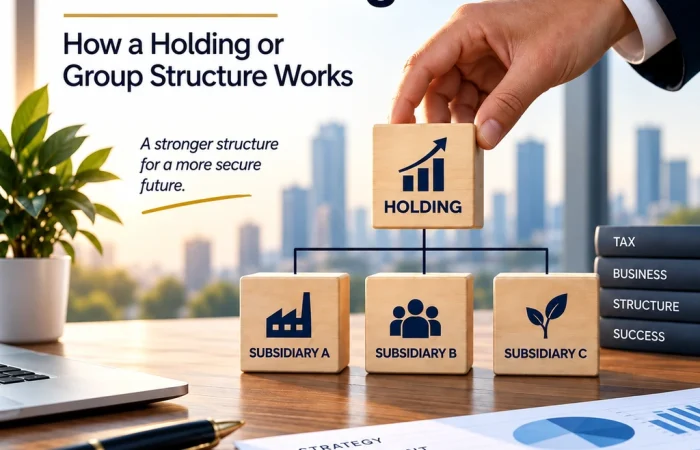
Strategic restructuring and partnerships can significantly reduce tax liability by grouping expenses and utilizing special tax regimes.
5.1 Subsidiaries and Activity Organization
-
Activity Separation:
Creating subsidiaries for specific functions (e.g., R&D, distribution) allows access to tax deductions and lower rates.
Example 6:
A tech company formed R&D subsidiaries and qualified for a special tax regime, reducing its overall tax burden by 15%.
5.2 Joint Ventures and Collaborations
-
Shared Investments:
Through joint ventures, businesses can split the costs of R&D or digital transformation, lowering each party’s financial load.
Example 7:
Two small construction firms formed a joint venture for bulk material purchases, saving 18% and reducing total costs.
5.3 External Consulting and Support
-
Specialized Tax and Financial Advisors:
Collaborating with experts helps develop tailored tax reduction and restructuring plans. -
Business Networks:
Sharing practices through professional networks helps businesses adopt proven strategies.
6. Advanced Financial Strategies
Long-term sustainability demands financial strategies that reduce costs and optimize cash flow.
6.1 Cost-Benefit and Predictive Analysis
-
Investment Valuation:
Deep analysis of each investment helps estimate ROI and potential tax relief.
Example 8:
An R&D company invested €120,000 in new tech. Predictive analysis showed the investment would pay off in 5 years and lower taxable income by 15%.
6.2 Cash Flow Management
-
Monitoring Inflows and Outflows:
Use specialized cash flow tools to forecast and maintain liquidity for reinvestment.
Example 9:
A service company adopted modern cash flow tools, cut payment delays by 15%, and used the freed-up capital to boost tax-deductible investments.
6.3 Loan Renegotiation and Financing Terms
-
Interest Rate Reductions:
Renegotiating loan terms can lower debt costs and offer financial relief.
Example 10:
A production company cut its loan rate by 1.5% per year, saving capital used for optimization projects that reduced taxable income.
6.4 Access to Government and EU Grants
-
Funding Applications:
Utilizing national and EU grants can cover up to 30% of investment costs.
Example 11:
A green energy firm used EU funding programs to reduce investment costs by 30%, lowering taxable income accordingly.
7. Real-World Case Studies
7.1 Digital Technology Firm
Scenario:
A software development company with high R&D and operating costs.
Strategy:
-
Invested in R&D with full documentation.
-
Implemented ERP for process automation.
-
Formed joint ventures for shared tech investments.
-
Created a subsidiary in a tax-favorable country.
Results:
-
19% reduction in taxable income within 18 months.
-
R&D investment amortized in 4.5 years.
-
Improved competitiveness via new markets and funding access.
7.2 Construction Company
Scenario:
A construction firm aimed to cut costs through energy upgrades and renovations, using green tax incentives.
Strategy:
-
Invested in green tech (e.g., solar panels, insulation).
-
Documented expenses and applied for government grants.
-
Used project management software for expense tracking.
-
Renegotiated supplier contracts for material discounts.
Results:
-
13% tax reduction over 2 years.
-
Green tech investment amortized in 3.5 years.
-
Boosted brand image as a model of sustainable construction.
8. Final Insights and Strategic Takeaways
Reducing tax burden isn’t just cost-saving—it’s a comprehensive strategy involving:
-
Accurate expense management and documentation: Essential for unlocking deductions.
-
Investments in high-impact areas: R&D, green tech, and training drive growth and offer relief.
-
Restructuring and partnerships: Subsidiaries and joint ventures help distribute expenses and access special tax regimes.
-
Advanced financial tactics: Cost-benefit analysis, cash flow planning, and loan renegotiations support long-term health.
Final Tips:
-
Continuous Learning: Stay in touch with tax advisors and monitor legal updates.
-
Tech Adoption: Use tools like ERP, cloud systems, and data analytics to improve financial tracking.
-
Holistic, Flexible Approach: Integrate all strategies into a model that adapts to shifting market and tax conditions.
9. Summary
This comprehensive guide offers:
-
Clear tax fundamentals and filing procedures in Greece.
-
Legal strategies like R&D and green investment incentives.
-
Expense optimization through smart documentation and automation.
-
Restructuring and collaborative models for tax savings.
-
Financial tools for strategic planning and liquidity control.
-
Real-world examples proving results.
-
Practical advice for staying agile and tech-savvy.
By applying these strategies, your business can reduce tax pressure, streamline operations, and ensure long-term sustainability.
10. Conclusion
Managing your tax burden is vital for growth and financial stability. By following the strategies in this guide—from precise expense tracking and tax-efficient investments to restructuring and advanced financial tactics—you can lower your total tax load, improve cash flow, and build a competitive, future-ready business model.
Stay informed, flexible, and proactive—these are the keys to long-term success.
This guide is a valuable resource for any entrepreneur seeking to legally reduce their tax burden. With proper implementation, you can optimize operations and manage your finances effectively, securing a solid and sustainable business future.
Thank you for reading this comprehensive guide on reducing your business’s tax burden. We hope the insights and strategies provided help you reach your financial goals and boost your company’s competitiveness.